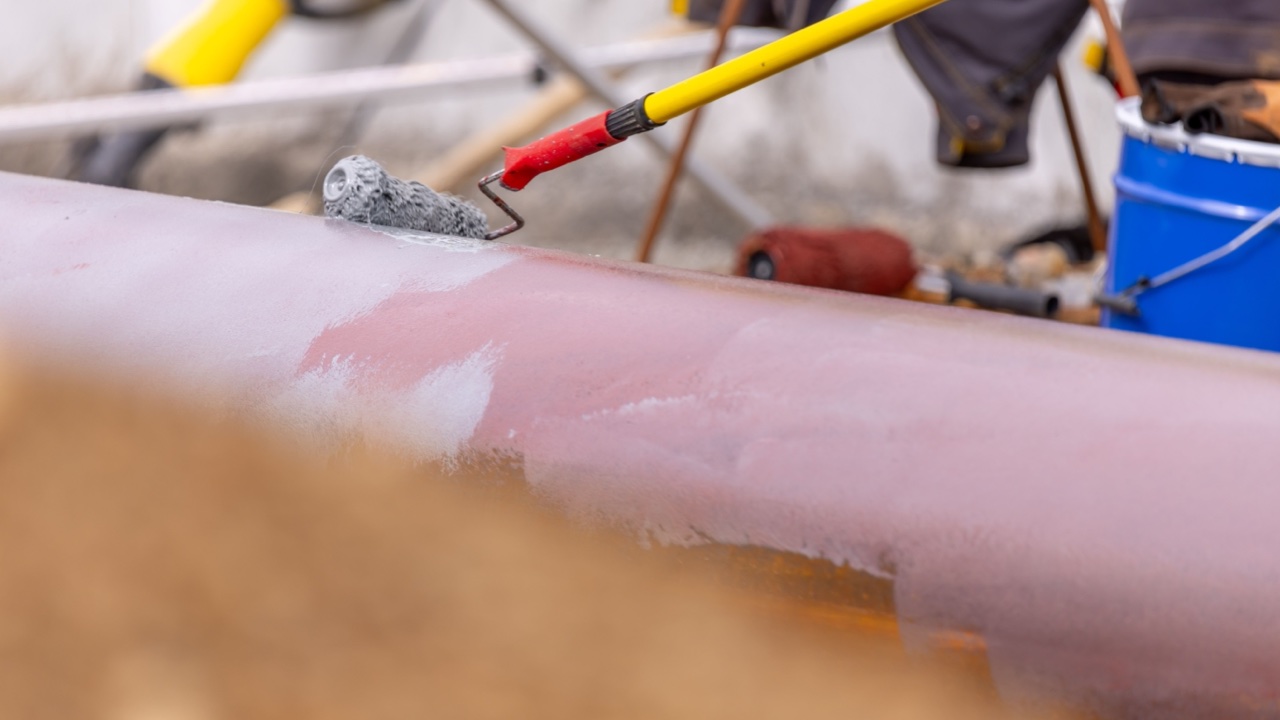
How to Select the Right Schedule 80 Steel Pipe Dimensions for Your Project
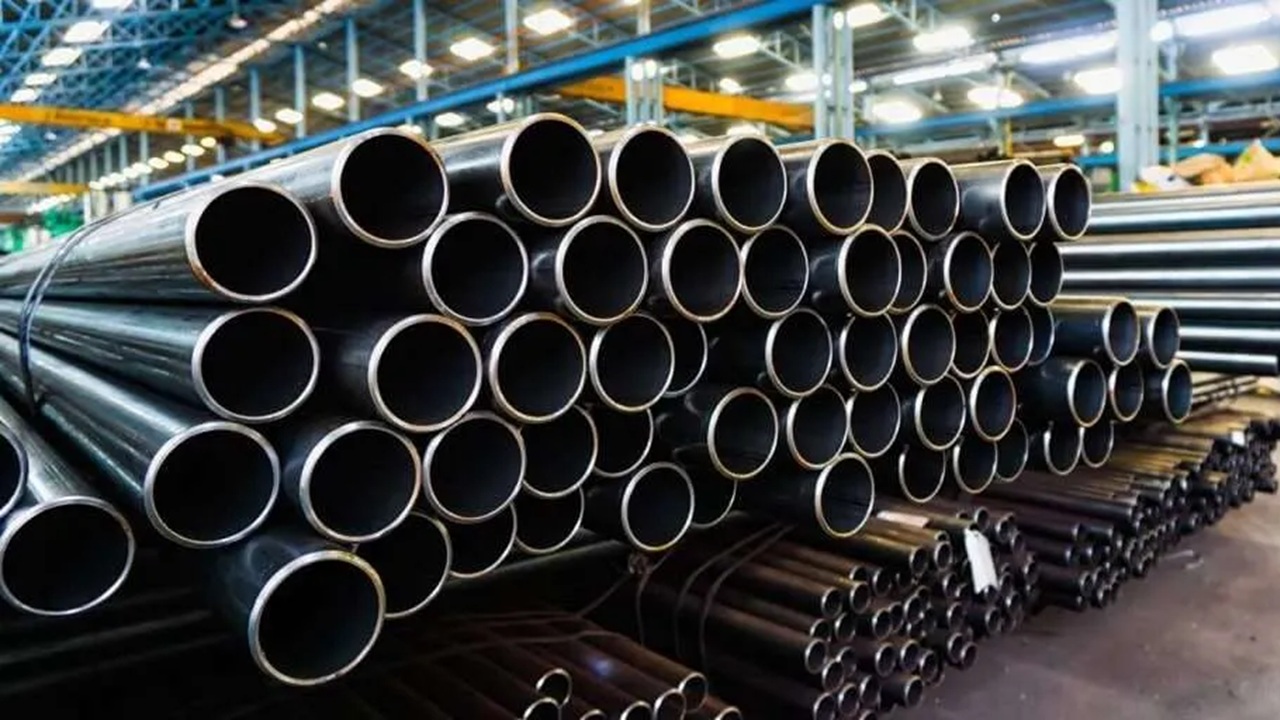
Selecting schedule 80 steel pipe dimensions is not just a sizing task. It directly affects system pressure limits, installation behavior, and long-term stability under load. Many project delays come from early selection errors, especially when wall thickness or diameter is chosen without linking it to operating conditions. This guide breaks the selection process into practical steps that match real engineering and procurement needs.
Start With System Pressure Needs
The first step is to define operating pressure. Schedule 80 pipes are used for pressures beyond those of lighter schedules, as higher pressures require thicker walls, which Schedule 80 provides. Instead of starting with pipe size, start with system demand. This avoids selecting a pipe that is either too heavy for the application or too weak for safe use.
Confirm Flow Requirement Early
Flow requirement decides the internal space needed inside the pipe. A smaller inner diameter reduces flow rate, even if the outer size looks acceptable. In many projects, engineers check flow before confirming pipe size. This prevents later changes that often increase material cost or require redesign of support and fittings.
Understand the OD Consistency Rule
One important rule in Schedule 80 systems is that the outer diameter stays fixed for each nominal pipe size. Only wall thickness changes. This means two pipes with the same nominal size will always fit the same connectors, even if one is heavier. This consistency helps in replacement work and system upgrades without changing the entire network layout.
Check Wall Thickness Impact
Wall thickness is the main reason Schedule 80 is chosen over lighter schedules. It increases strength but also adds weight. Heavier walls improve resistance to pressure and external load. However, they also increase material handling effort and require stronger support structures during installation.
Match Material Grade with Size
Pipe size alone is not enough. Material grade changes how much pressure a pipe can safely handle. Schedule 80 systems typically use carbon or stainless steel. Mismatched materials can shorten system life.
Consider Installation Conditions
Installation conditions often affect the final pipe selection more than design drawings do. Tight spaces, elevated structures, or underground routes may limit pipe size. Heavier Schedule 80 pipes need stronger support during installation, especially for large diameters. Ignoring installation constraints often leads to delays on site.
Evaluate Welding Requirements
Schedule 80 pipes need more welding due to thicker walls, increasing time, and inspection. In some projects, welding capacity limits progress. If resources are limited, reassess whether full Schedule 80 thickness is necessary for every pipeline section.
Compare Manufacturing Types
Schedule 80 pipes come in seamless and welded forms. Seamless pipes are used in high-pressure applications for structural integrity. Welded pipes are cost-efficient and common in industrial systems. The choice depends on system risk level, not just on cost differences.
Use Standard Dimension Charts
Selection becomes easier when using standard charts for Schedule 80 steel pipe dimensions. These charts show outer diameter, wall thickness, and weight for each nominal size. Many engineering teams rely on these charts during early design to avoid mismatches between design assumptions and available stock sizes.
Account for Weight in Transport
Weight increases quickly as pipe size grows under Schedule 80 specifications. This affects shipping costs and loading limits. In large projects, transport weight can significantly increase costs. Early logistics planning avoids unexpected freight changes during procurement.
Avoid Over-Specification
One common issue is selecting Schedule 80 for all sections without first checking the actual pressure requirements. Some pipeline sections operate under low pressure and do not require thick walls. Using heavier pipes everywhere increases cost without improving system performance. A mixed approach is often more practical in real projects.
Check Compatibility with Existing Systems
If the pipe links to an existing system, compatibility is key. Schedule 80 fittings usually fit those of the same nominal size, since the outer diameter remains unchanged. However, internal diameter may affect flow balance, especially in systems with multiple branches.
Verify Standards Before Final Selection
Schedule 80 pipes are made using ASTM A53, A106, and API 5L, which specify mechanical limits, testing, and tolerances. Compliance guarantees proper performance.
Final Selection Logic
A practical selection sequence usually follows this order:
- Start with the pressure requirement
- Confirm the flow needs
- Check available nominal sizes
- Match wall thickness from the Schedule 80 range
- Confirm material grade
- Review installation limits
This sequence reduces rework and avoids mismatched specifications.
Conclusion
Selecting the right Schedule 80 steel pipe dimensions involves balancing pressure demand, flow capacity, installation limits, and material behavior, as each affects system performance. Ignoring any factor can cause operational issues. PandaPipe is used in projects that require multiple Schedule 80 setups, especially to ensure size consistency and support delivery planning. In such cases, PandaPipe supports dimension matching, material selection, and cut-to-length supply based on project requirements.