From CAD to Production: How We Deliver Perfect Sheet Metal Covers
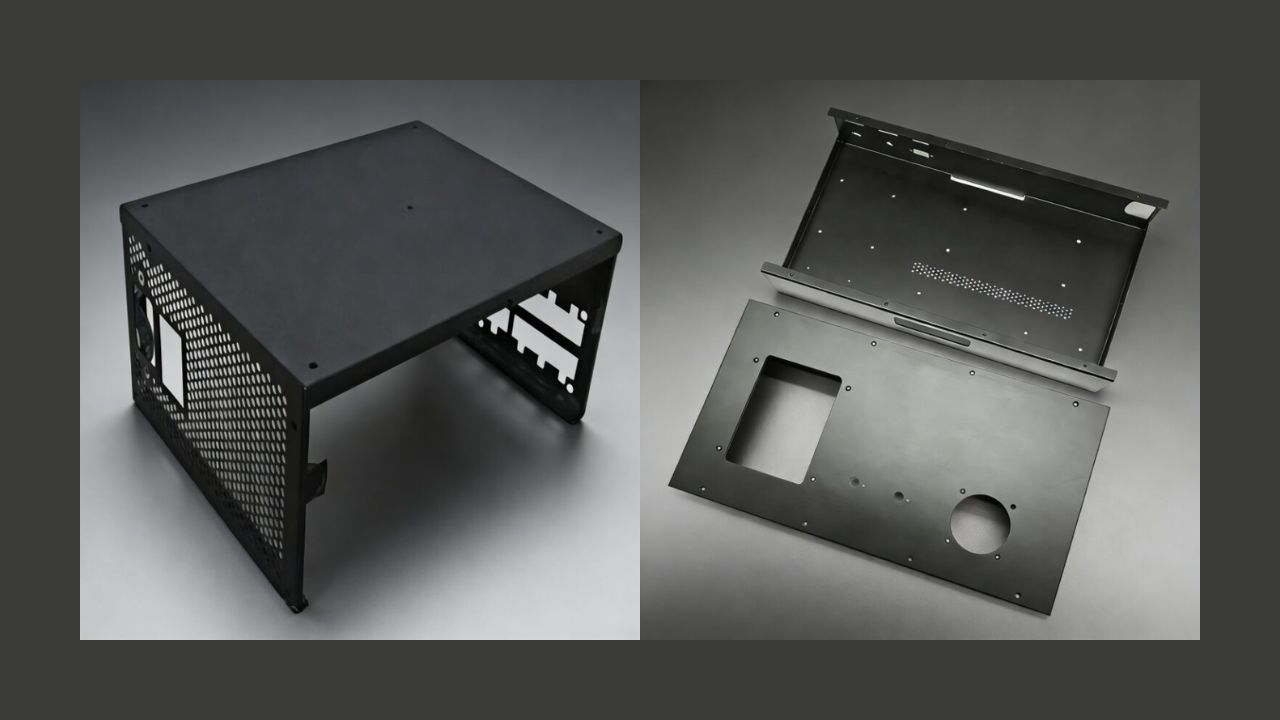
Producing flawless sheet metal covers cannot be achieved merely through sophisticated equipment; it needs a smooth transition between digital and physical manufacturing. The CAD to final product process is a series of steps that are very important in achieving accuracy, functionality, and consistency. The properly designed workflow will decrease errors, lead times, and ensure that all parts will be made to the precise specifications. With the introduction of engineering knowledge and the use of new technologies in the manufacturing process, manufacturers are able to produce high-quality products on a regular basis.
Initial CAD Design and Engineering Review
The process begins with an elaborate CAD model of the geometry and size, and the functional needs of the sheet metal cover. The design is thoroughly scrutinized by the engineers to detect any possible problems with manufacturability, like tight bend radii, complicated geometries, or impractical tolerances. This step can include a Design for Manufacturing analysis, where modifications are made to design it efficiently for manufacturing. The aim is to make sure that the digital model can be converted into a physical component without affecting the quality and performance.
Material Selection and Specification
After validating the design, the other step is to choose the right material depending on the requirements of the application. Strength, corrosion resistance, weight and thermal properties are considered. The material selected should be suitable for the product functionality as well as the fabrication process capabilities. Specifications of clear materials, such as grade and thickness, are recorded to maintain consistency during production.
Precision Cutting and Profiling
Once the design and material are determined, the manufacturing process is initiated with accurate cutting. High accuracy and clean edges are usually attained through advanced laser cutting technology. This is an important step since any deviation in the first cut may have an impact on all the other processes. Close tolerances during the cutting process assure that the part will fit into place in the assembly and properly attach to the rest of the parts.
Accuracy of Bending and Forming
After cutting, the flat sheet is bent and formed. CNC press brakes are utilized in order to have accurate angles and consistent output in production batches. The behavior of materials like spring-back is also taken into consideration to ensure that there are no dimensional errors. Close management at this phase can guarantee that all the features are in place and that the completed shape is the intended shape.
Welding and Assembly Integration
Welding is an important process in the case of sheet metal covers that have more than one part. Strong and clean joints, which satisfy structural and aesthetic needs, are produced using techniques like TIG welding. The continuous welding technique is usually used in applications where there is a need to have sealed enclosures. When welding is finished, it can be further assembled using hardware like fasteners, inserts, or hinges, and the product can be used immediately.
Surface Finishing and Protection
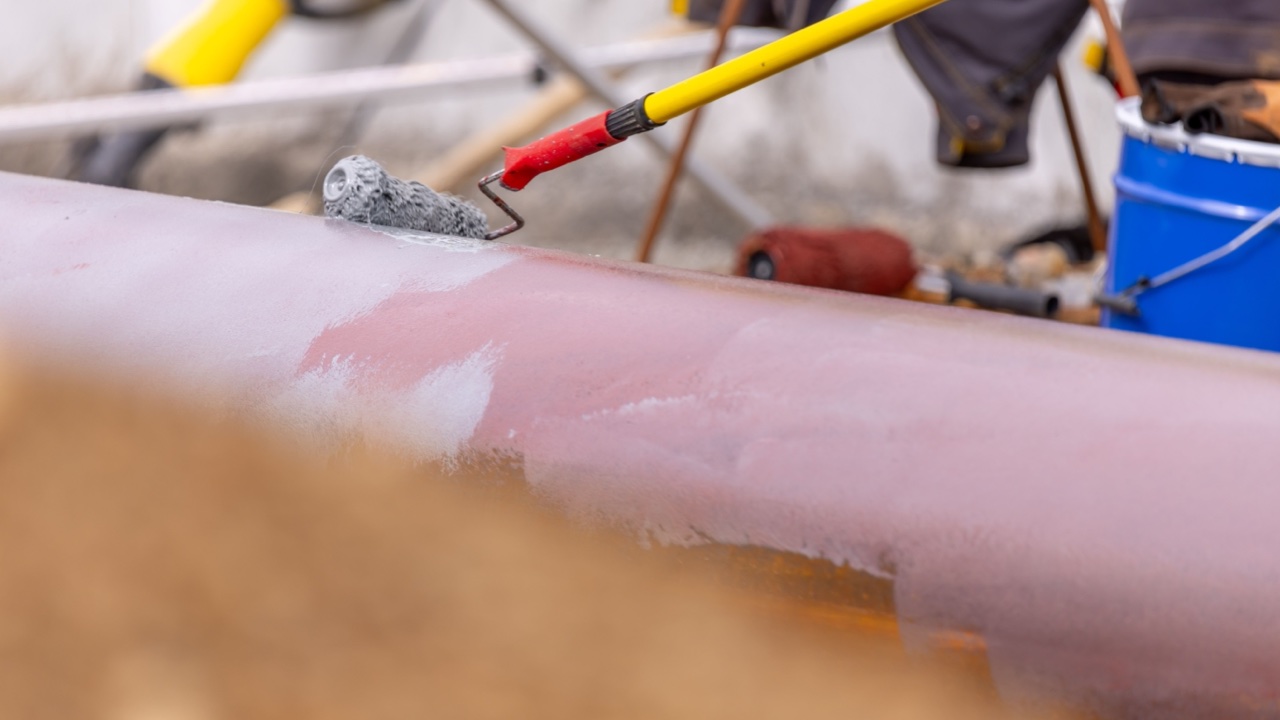
Surface finishing improves surface durability as well as the appearance of sheet metal covers. Powder coating, anodizing, or plating are processes used to prevent corrosion, wear, and environmental degradation. The finishing process pays attention to the preservation of functional areas (e.g., grounding points or threaded features). The surface treatment should be done properly so that the cover not only works well, but looks professional as well.
Quality Control and Inspection
The quality assurance is built into the whole production process. Pilot batch: Before full-scale production is commenced, initial samples are usually made and checked to ensure that they conform to the design requirements. In the course of manufacturing, there are periodic checks on the critical dimensions to ensure that no deviations exist. The use of advanced measurement tools and testing methods is designed to make sure that every part is up to the necessary standards. This is a proactive method of preventing defects, and all units will be consistent.
Packaging and Delivery
After production and inspection, the final sheet metal covers are then well packaged to avoid damage during transportation. The integrity of the parts is maintained using protective materials and tailored packaging solutions. The effective logistics and handling procedures will guarantee that the products are delivered to the customer in the highest possible condition and in the required time.
Conclusion
The CAD to production process is elaborate yet closely monitored to ensure the production of flawless sheet metal covers. Every phase, including design validation, end inspection, etc., is crucial to attaining precision and reliability. With the integration of the best technology, engineering capability, and focus on quality, manufacturers can continuously create sheet metal covers of the best performance and perfectly fit into their target use.