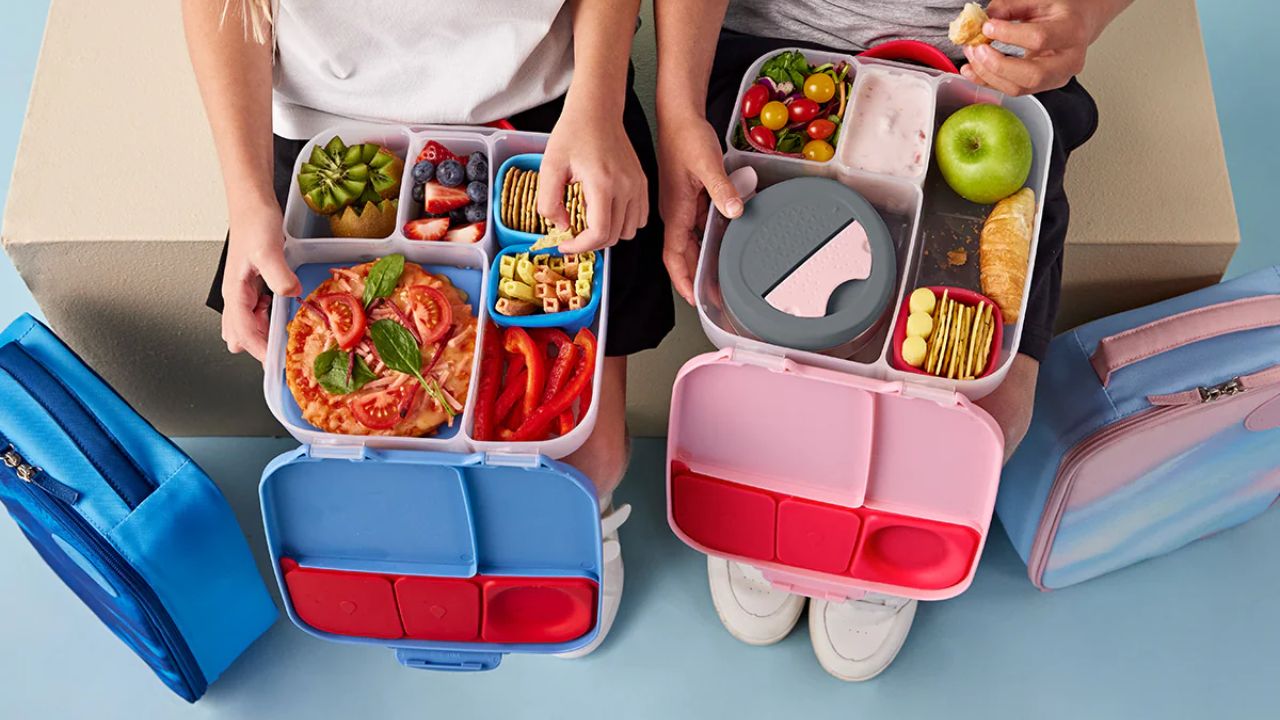
The quality, safety, and success of the sale of wholesale lunch boxes depend on the food-grade materials. In the case of wholesalers, retailers, and own-label brands, the process of manufacturing lunch boxes influences the consumer confidence levels, the adherence to regulations, and the sustainability of the brand image in the long-term perspective. The rationale of food-grade matters assists buyers in making good choices in sourcing and preventing global market risks in competitive markets.
Ensuring Food Safety
Food-grade materials are mainly intended to provide food safety. Lunch boxes are constructed with the intent of preserving food on a long-term basis, which, in the vast majority of occasions, happens to be in warm or humid weather. Materials that are not of food grade are likely to release hazardous chemicals into food, especially when subjected to heat or acidic foods. The plastics and stainless steel used in food are tested to withstand the flow of chemicals, and therefore, they cannot pose any health hazards to the consumer and in this way make their daily use of such materials safe.
Meeting International Standards
The production of wholesale lunch boxes should be in accordance with the stringent international safety standards. Most markets in the world demand that products comply with the standards of the FDA, LFGB, or EU food contact regulations. Food-grade materials are processed and tested to address the requirements and, therefore, are necessary to facilitate smooth clearance at customs and market entry. Shipments delays, rejection or penalties in courts can occur because of using uncertified materials, which affect the activities of the business.
Protecting Brand Reputation
The quality of the materials directly affects the perception of a brand. Reliability, durability and safety are related to lunch boxes manufactured out of food-grade stainless steel or BPA-free plastic. Once the consumers have confidence in the materials they have used in a product, they tend to make recurrent purchases as well as refer the brand to other persons. Conversely, the negative outcome of safety issues or material failure may tarnish the image of a brand within a short period and cause losses in the long run.
Improving Product Durability
Food-grade materials are safer as well as durable. The stainless steel is of high quality, which is resistant to corrosion, cannot absorb odors, and its structure remains constant over time. Food-grade plastics can withstand daily usage, repeated washing and changes in temperature without cracking or deformation. This robustness minimizes returns on products and enhances customer satisfaction, which is significant, particularly in a wholesale distribution.
Supporting Sustainable Choices
Sustainability is one of those factors that has made it a very important consideration in consumer purchasing. Numerous food-grade materials can be reused, recycled and used in the long run. Lunch boxes made of stainless steel, especially, contribute to the minimization of the use of single-use plastics. Selecting food-grade materials, manufacturers, and wholesalers contributes to environmentally friendly practices and rises to the increased demand for long-lasting and sustainable food storing solutions.
Enhancing Insulation Performance
Insulation and temperature retention also depend on the quality of the material. Insulated lunch boxes are usually made of food-grade stainless steel, as it is a material that can sustain vacuum insulation and constant temperature. Poor quality of materials can also affect the performance of insulation, causing either food cooling too fast or overheating. The quality of materials is important because food packaging should be capable of sustaining the service of the items it carries, which adds value to the products in the minds of consumers.
Reducing Health and Legal Risks
There is a high risk of health and legal costs to businesses that use non-compliant materials. Recalls can be necessitated in the event a product is identified to contain unsafe substances; hence, losses of financial resources and broken trust. Food-grade materials minimize the chances of these problems occurring as they satisfy safety requirements early in the production stage. This proactive type is beneficial to both consumers and businesses.
Building Long-Term Market Trust
In large-scale production of lunch boxes, trust is created with regular quality and openness. Consumers have been putting a lot of inquiries about the sourcing of materials and safety certifications prior to making orders. Professionalism and duty are observed when manufacturers focus on food-grade materials. This promise enhances more connections with international consumers and enables long-term affiliations in aggressive markets.
Conclusion
High-quality and safe, long-lasting and market-ready lunch boxes are based on food-grade materials. In the wholesale production, they guarantee food safety, regulation, brand credibility, and long-term performance. To the companies that purchase lunch boxes wholesale, it is not a mere safety measure to select materials that have been certified as food grade, but it is also a strategic move toward quality and confidence in the product among consumers.
